Real estate companies handle listings, client calls, site visits, paperwork, and marketing every day. Manual work slows growth and creates errors. Smart digital tools help teams stay organized, respond faster, and close more sales.
Real estate companies need digital tools to manage leads, market properties, handle documents, and track finances. A CRM, listing platform, website CMS, marketing automation tool, virtual tour software, e-signature system, and accounting software help teams work faster, stay organized, and close more sales with better client service.
Now let’s look at each tool and see how it supports daily real estate work and long term business growth.
Customer Relationship Management Software (CRM)

A real estate CRM centralizes client data, tracks leads, logs calls, and monitors deal stages in one system. Companies can choose standard platforms like Salesforce, HubSpot, Zoho CRM, or build a custom CRM that fits their exact sales process and reporting needs.
Central lead management keeps every inquiry in one clear dashboard. Agents can filter contacts by status, budget, or location. Managers assign tasks and track agent activity without confusion. This structure reduces missed opportunities and keeps the sales pipeline organized.
Automated follow-up reminders help agents respond on time. The CRM schedules calls, emails, and SMS based on client activity. Each interaction is stored under the client profile. Consistent communication builds trust and increases the chance of moving a lead forward.
Sales pipeline tracking shows every stage from first inquiry to closing. Teams can see stalled deals and take action quickly. Email and SMS integration keeps all conversations in one place. Clear tracking improves accountability and supports better forecasting.
Custom CRM systems offer deeper flexibility. Companies can add commission rules, approval flows, and custom reports that match their business model. Integration with property listings and marketing tools creates a connected workflow that supports long-term growth.
Property Listing and Management Platforms

Property listing and management platforms in Bangladesh help real estate companies publish and control property details across trusted local portals. Agents upload photos, prices, floor plans, and location data once, then share them on sites like Bproperty and PBazaar.
Wider audience reach increases property exposure across Dhaka and other major cities. Listings appear on company websites and local property portals at the same time. This visibility attracts serious buyers, investors, and even NRBs who search online before contacting an agent.
Real-time listing updates keep information correct and reliable. Price changes, booking status, and availability updates reflect quickly across connected platforms. Accurate listings prevent confusion during site visits and reduce calls about already sold or booked units.
Centralized management also reduces manual posting work. Agents enter property details once and sync them across platforms. Complete listings with clear photos and verified information build buyer trust and support faster decision making in the Bangladesh real estate market.
Real Estate Website
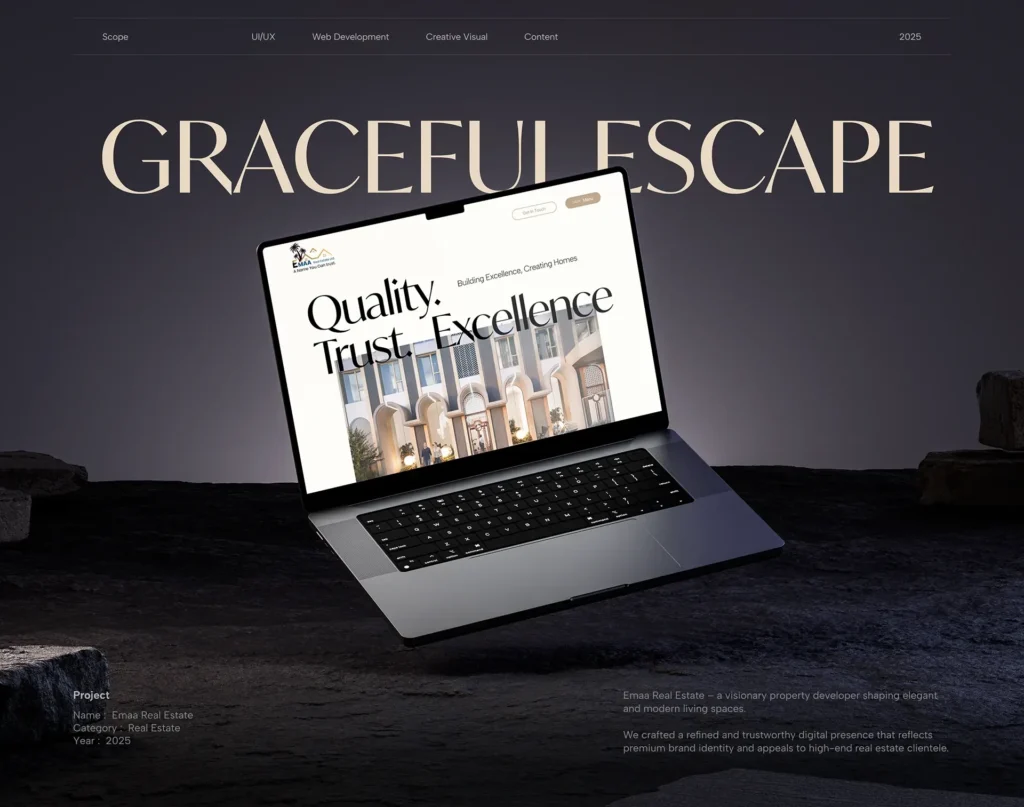
A professional real estate website builds credibility and attracts serious buyers. Most clients visit the company website before making a call. A fast, secure, and well-designed site presents projects clearly and turns online visitors into qualified inquiries.
Mobile responsiveness keeps the real estate website accessible on smartphones and tablets. Many buyers search for flats, plots, and commercial spaces using mobile devices. A responsive layout adjusts to different screen sizes, improves browsing speed, and keeps users engaged longer.
Integrated property search filters make navigation simple and user friendly. Visitors can sort listings by location, price range, size, or property type. Clear search options help buyers find suitable properties quickly, which increases inquiry rates.
Strong SEO structure improves visibility on search engines. Optimized property pages, clear URLs, and fast loading speed help the website rank higher. Better ranking attracts organic traffic from people actively searching for real estate.
Lead capture forms convert visitors into prospects. Inquiry forms, call-back requests, and WhatsApp chat options collect buyer details directly from the site. Sales teams can respond faster, track interest levels, and move leads through the pipeline efficiently.
Digital Marketing and Automation Tools

Digital marketing and automation tools help real estate companies generate leads, promote listings, and stay connected with buyers. These tools manage email campaigns, paid ads, social media activity, and performance tracking in one system. Consistent marketing keeps inquiries steady and supports long-term sales growth.
Email Marketing Automation
Email platforms like Mailchimp allow companies to send scheduled project updates, offers, and newsletters. Automated sequences nurture new leads without daily manual effort. Regular communication keeps the brand visible and moves buyers closer to booking a visit.
Segmented contact lists improve targeting. Companies group leads by budget, location preference, or buying stage. Relevant messages increase open rates and responses. Built-in reports show clicks and conversions, helping teams refine future campaigns.
Paid Advertising Management
Paid advertising tools such as Google Ads and Meta Ads Manager promote listings across search engines and social media feeds. Ads appear in front of users actively searching for properties.
Audience targeting improves lead quality and reduces wasted spend. Marketers set filters based on location, age, interests, and income range. Performance dashboards track impressions, clicks, and cost per lead for better budget control.
Social Media Platforms
Social media platforms like Facebook, Instagram, and LinkedIn help real estate companies showcase projects and build brand trust. Property photos, videos, and client testimonials reach a wide audience quickly.
Active social media presence increases engagement and direct inquiries. Comments and messages create direct communication with potential buyers. Regular posting keeps projects visible and strengthens brand recognition in competitive markets.
Marketing Analytics and Reporting
Analytics tools track website visits, ad performance, and lead sources in one dashboard. Companies measure conversion rates, cost per inquiry, and return on ad spend. Clear data supports smarter planning and better campaign decisions.
Ongoing reporting helps teams focus on high-performing channels. Underperforming campaigns can be adjusted or paused. Structured tracking keeps marketing aligned with sales targets and improves overall return on investment.
Virtual Tour and 3D Viewing Tools

Virtual tour and 3D viewing tools allow buyers to explore properties online before booking a visit. These tools present homes in an interactive format that shows layout, room size, and design clearly. Remote viewing saves time and helps buyers shortlist properties faster.
Platforms like Matterport create interactive 3D walkthroughs that feel realistic and easy to navigate. Buyers can move from room to room, zoom in on details, and understand the space without stepping inside the property.
Remote property viewing expands reach beyond local buyers. Out-of-town clients and overseas investors can review listings at their convenience. This access increases serious inquiries and supports faster decision making.
Higher engagement comes from visual clarity. Static photos show limited angles, while 3D tours present the full layout. Buyers spend more time on listings that offer interactive experiences, which improves interest and inquiry quality.
Fewer unnecessary site visits save time for both agents and clients. Buyers visit in person only after reviewing the space online. Better presentation builds trust and positions the property as professional and transparent.
Transaction Management and E-Signature Tools

Transaction management and e-signature tools help real estate companies handle contracts, agreements, and approvals online. Instead of printing and scanning papers, teams can send, sign, and store documents digitally. This process saves time and keeps transactions organized from start to finish.
Platforms like DocuSign and Dotloop allow secure online signing with verified user access. Signed documents are stored in one dashboard, making it easy to review contract history and track deal progress.
Faster contract approvals reduce delays in property transactions. Buyers and sellers can sign from any location using a phone or laptop. Secure storage protects agreements from loss or damage, while clear tracking shows each step of the approval process.
Reduced paperwork errors improve accuracy and transparency. Digital forms minimize manual mistakes and keep all versions updated. Agents can monitor deadlines, share documents instantly, and maintain proper records for compliance.
In Bangladesh, digital signatures in real estate are not yet widely practiced. Most transactions still rely on physical paperwork. Even so, e-signature tools offer strong convenience for internal approvals, booking forms, and early-stage agreements, especially for overseas clients and busy professionals.
Accounting and Financial Management Software

Accounting and financial management software helps real estate companies track commissions, expenses, taxes, and cash flow in one system. Clear records reduce confusion and support better planning. Organized financial data protects the business and supports steady long-term growth.
Tools like QuickBooks and Xero manage daily transactions with accuracy. Automated invoicing sends payment requests on time, while expense tracking records office costs, marketing spend, and project payments without manual spreadsheets.
Commission calculation becomes simple and transparent. The system records each sale and calculates agent payouts based on predefined rules. Financial reports show income, expenses, and profit in clear formats, helping owners understand business performance at a glance.
Accurate financial reporting reduces compliance risks and supports tax preparation. Clear documentation makes audits easier and prevents missing records. Strong financial control gives management confidence to plan future projects and manage resources wisely.
Team Collaboration and Communication Tools

Team collaboration and communication tools keep real estate agents, managers, and marketing teams connected throughout the day. Centralized messaging reduces confusion and speeds up decision making. Strong internal communication supports better coordination and improves overall client service.
Platforms like Slack and Microsoft Teams provide real-time messaging and organized workspaces. Teams can create separate channels for projects, listings, or departments. Clear structure keeps discussions focused and easy to track.
Quick communication improves daily operations. Agents can confirm site visits, share buyer updates, and request documents without long email threads. Instant replies reduce waiting time and help teams respond to clients faster.
Shared documents increase transparency. Teams upload contracts, brochures, price lists, and marketing materials in one place. Everyone accesses the latest version, which prevents errors and miscommunication during transactions.
Reduced email clutter keeps work organized. Important conversations remain in dedicated channels instead of crowded inboxes. Clear and structured communication improves productivity and minimizes delays in serving buyers and sellers.
Final Thoughts
Real estate companies operate through multiple connected systems that manage sales, marketing, finance, and communication. CRM software tracks leads, listing platforms increase exposure, websites drive organic traffic, and marketing tools generate inquiries. Virtual tours, e-signatures, accounting systems, and collaboration tools keep operations organized and efficient.
Each digital tool improves speed, accuracy, and service quality. Automated processes reduce manual errors and shorten response time. Clear data, structured communication, and organized records help teams focus on closing deals instead of handling repetitive tasks.
Companies that invest in the right digital systems operate more smoothly and respond to clients faster. Strong internal processes create better client experiences, improve trust, and support consistent business growth in a competitive market.